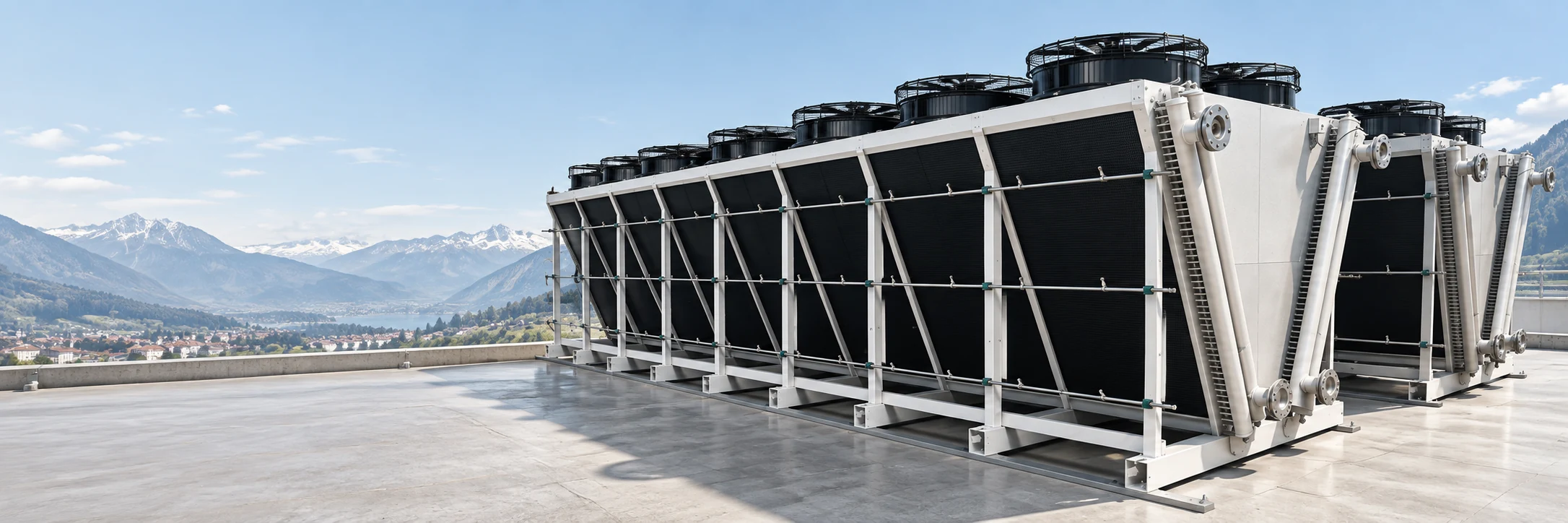
DRYCOOLER
The dry cooler is a highly versatile cooling solution for heat dissipation in HVAC, Data Center, Power Generation and industrial process applications.
How a drycooler works
The operating principle is simple and reliable: the hot fluid from the system flows through a finned heat exchanger, while ambient air, moved by the fans, removes the heat and dissipates it into the external environment. Unlike evaporative cooling towers, the process fluid remains within a closed circuit, reducing contamination, water treatment requirements and issues associated with the management of open circuits.

The HYTERM ecosystem for integrated drycooler control
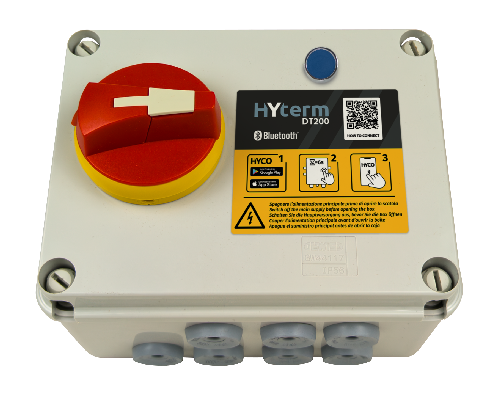
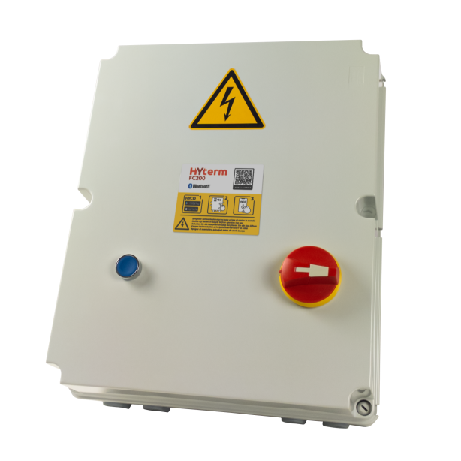
The HYTERM control ecosystem transforms the drycooler from a simple cooling unit into an intelligent, integrated system, capable of dynamically coordinating all the machine's main functions to deliver high performance, energy efficiency and operational continuity.
Through a single control platform, HYTERM coordinates EC fan speed, adiabatic system operation, system valve control and real-time monitoring of electrical consumption.
Each function works in synergy with the others, continuously adapting drycooler operation to ambient conditions, the required thermal load and the specific needs of the installation.

Coordinated control of every function
The HYTERM ecosystem integrates advanced control logic to optimise the following functions simultaneously:
- EC fan control: continuous speed modulation according to temperatures, pressures and thermal load, with sequencing and redundancy logic.
- Adiabatic system management: activation and modulation of water use according to ambient conditions and the required performance, optimising the balance between water and energy consumption.
- System valve control: coordinated valve management to regulate fluid flow and contribute to overall circuit efficiency.
- Energy monitoring: real-time measurement of electrical consumption to verify operating conditions and support optimisation strategies.
- Noise management: intelligent fan speed limitation according to time periods, operating conditions and the installation's acoustic constraints.
- Safety and operational continuity: protection functions, fault management and redundancy logic designed to maintain unit operation even in critical conditions, within the limits of the available resources.
- Consumption optimisation: coordination of the different control strategies to reduce overall energy and water consumption while maintaining the required thermal performance.
One ecosystem, multiple benefits
The value of the HYTERM ecosystem lies not only in its individual control functions, but above all in its ability to make them work together.
Fan speed, activation of adiabatic cooling, valve position and energy consumption are managed as parts of a single system, in which every adjustment contributes to the machine's overall efficiency.
This approach continuously seeks the best balance between cooling capacity, energy consumption, water use, noise emissions and operational reliability.
Thanks to its advanced safety, protection and redundancy functions, the HYTERM ecosystem is also particularly suited to mission-critical applications, such as data centres and industrial installations, where operational continuity is an essential requirement.
The result is a drycooler capable of dynamically adapting to the installation's actual needs, with more efficient resource management and complete control of operating conditions throughout the year.
Cooling strategies
Control adapts cooling to ambient conditions and load, optimizing energy and water use.
-
1
Free Cooling
When outdoor temperatures are low enough, the drycooler can cool the fluid instead of the chiller.
-
2
Dry Cooling
Heat is dissipated into outdoor air by modulating EC fan speed, without water consumption.
-
3
Adiabatic
In hot weather, air pre-cooling increases heat rejection capacity, using water only when needed.
Adiabatic systems
Adiabatic systems increase the performance of drycoolers or condensers during periods characterized by high ambient temperatures.
Explore adiabatic systems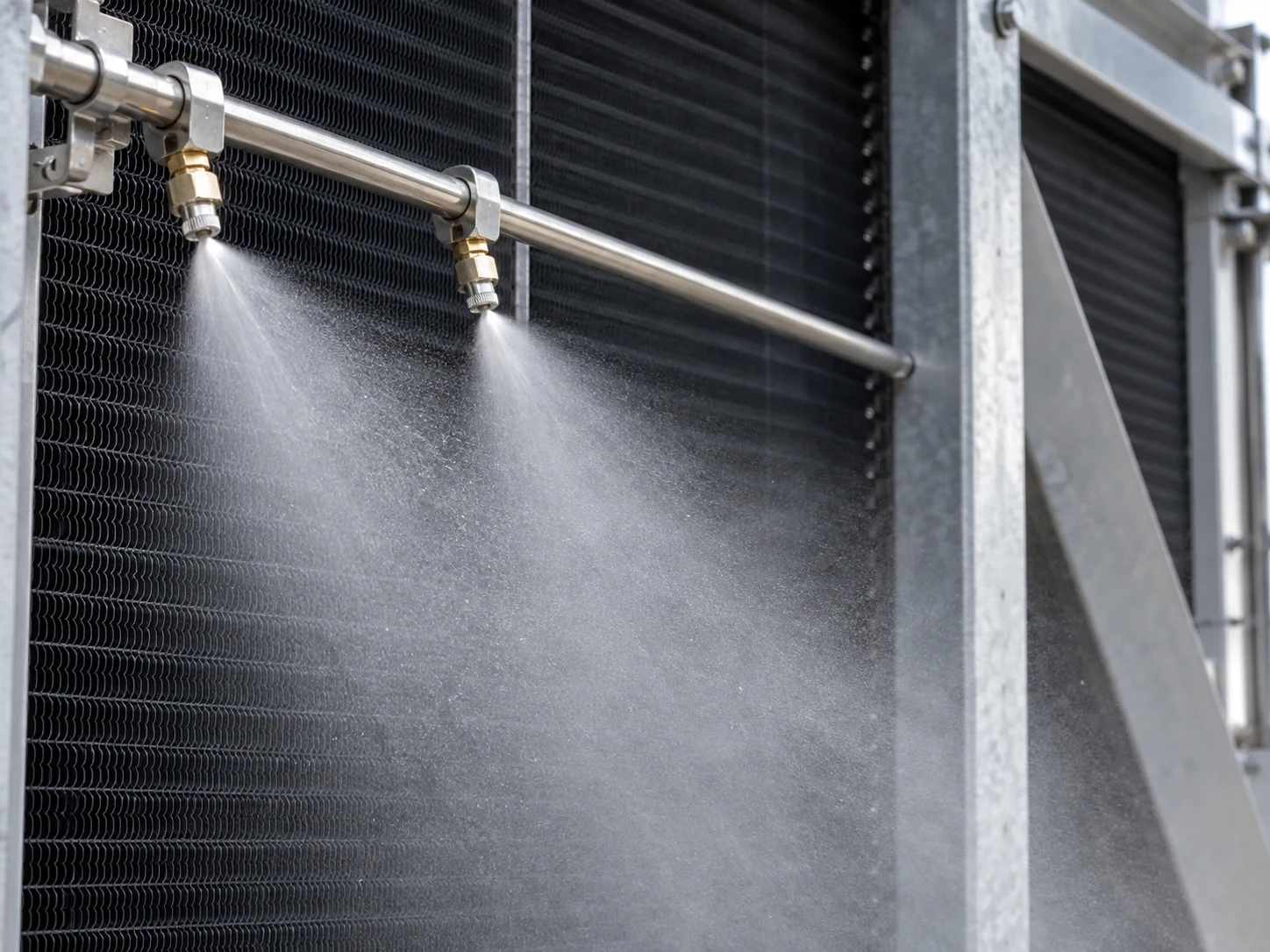
Spray
- On/Off
- Multi-Step
- High pressure
- Low pressure
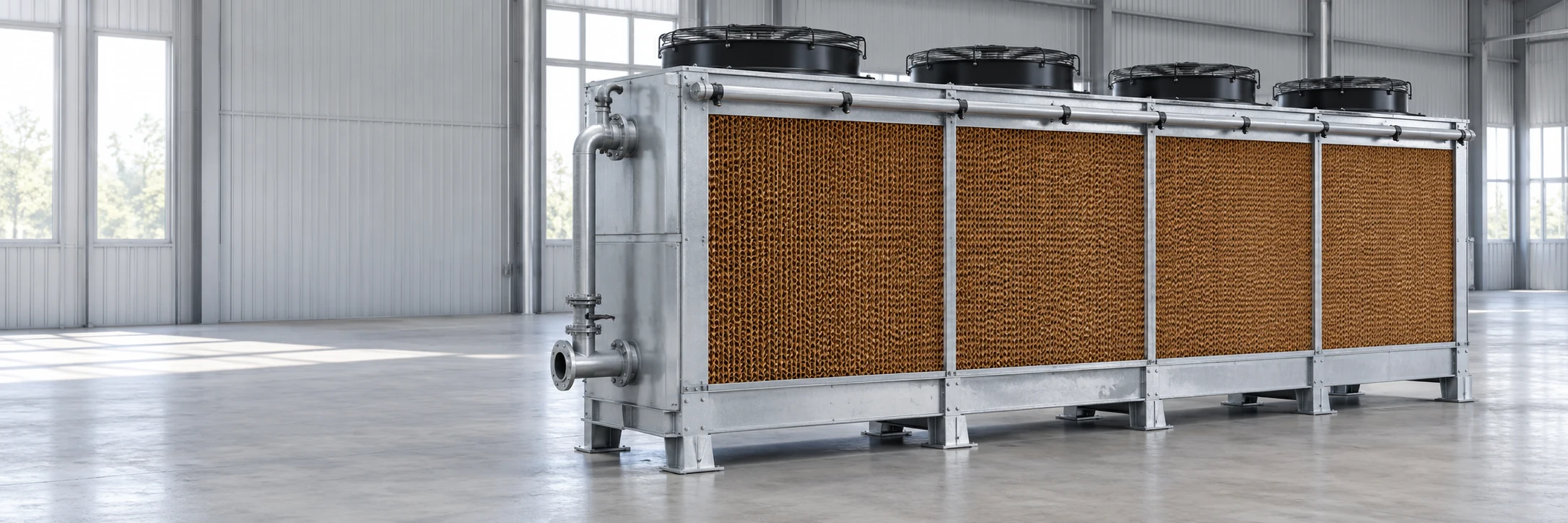
Evaporative panels
- Air pre-cooling
- Modulating distribution
- Recovery and recirculation
- No coil spray
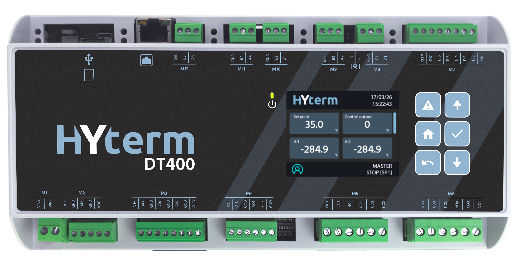
Hyterm technology
Controllers and solutions for a complete, efficient system.
Applications
Cooling solutions for markets and sectors with specific needs.
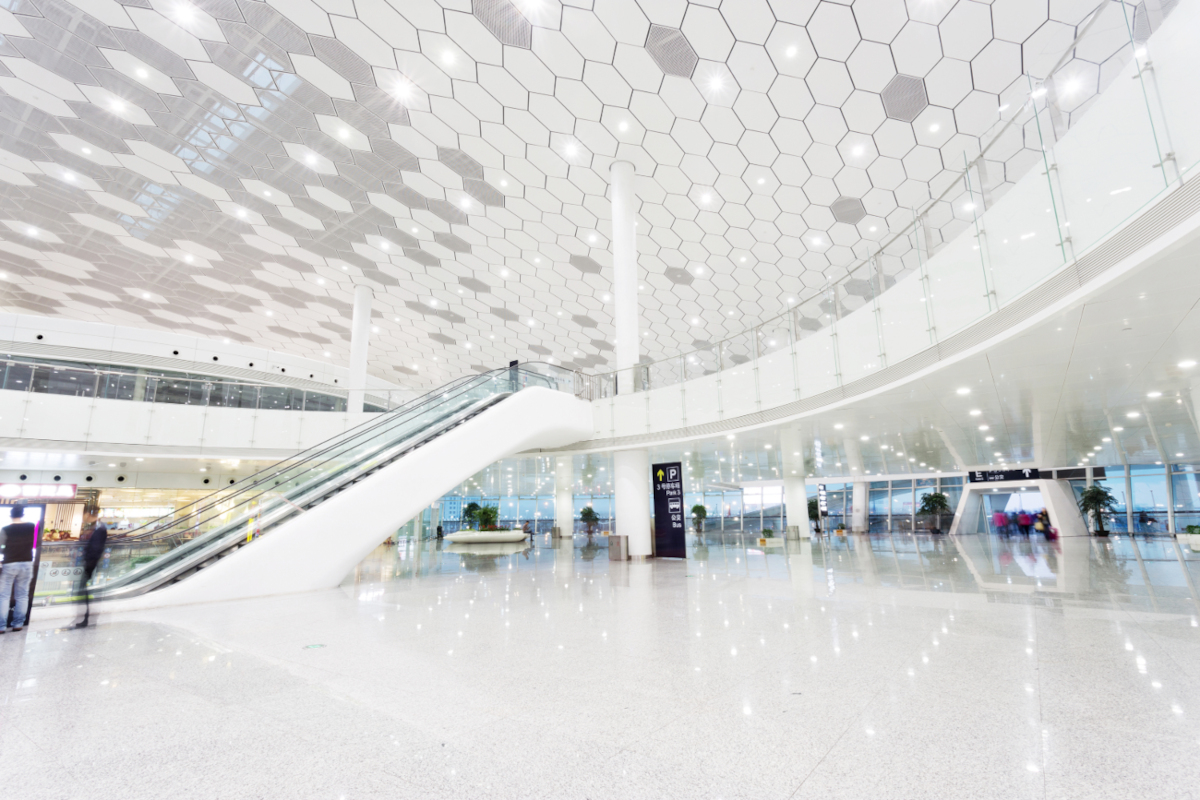
HVAC
Comfort and efficiency for residential and commercial buildings.
Discover More
Data Center
Reliable cooling for critical infrastructure.
Discover More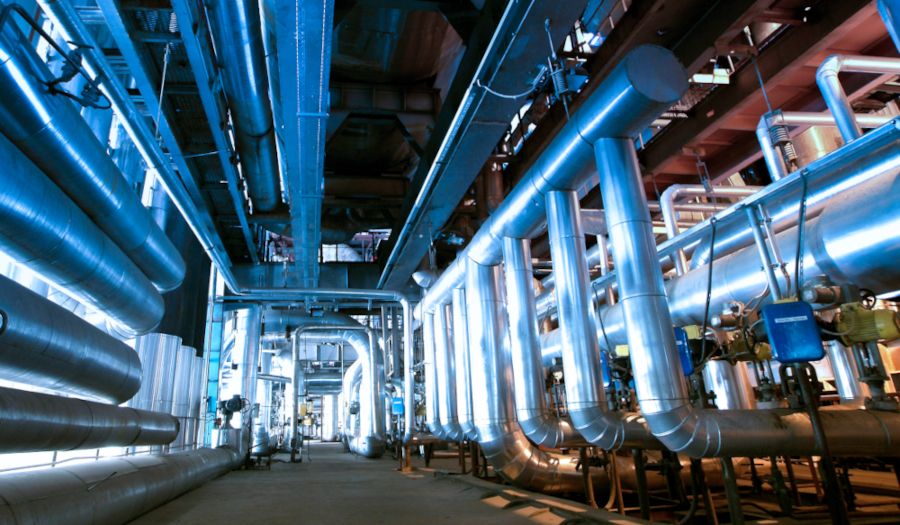
Process
Stable process temperature control.
Discover More
Adiabatic systems
More capacity in hot weather, with controlled water use.
Discover More